
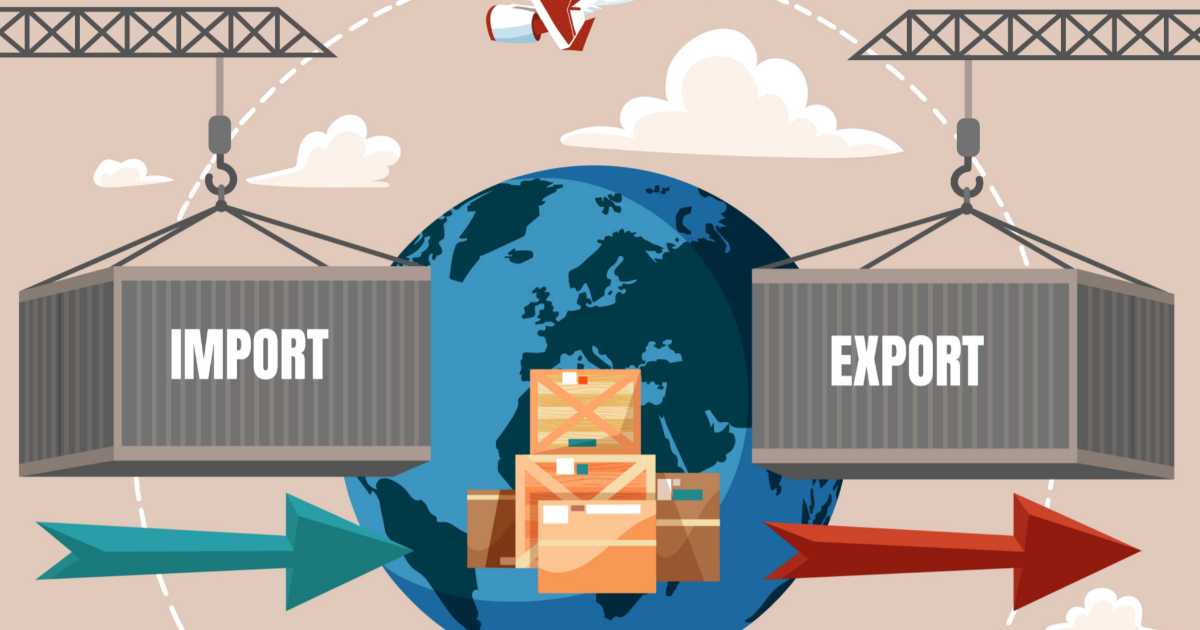
The UAE has become one of the world’s leading trade and logistics destinations, connecting businesses across the Middle East, Asia, Europe, and Africa. With world-class ports, modern infrastructure, business-friendly regulations, and strategic geographic positioning, entrepreneurs from around the globe are choosing the UAE to establish import and export companies.
If you’re searching for how to start import export business UAE free zone, you’ve come to the right place. Setting up in a UAE free zone offers significant advantages, including 100% foreign ownership, streamlined customs procedures, attractive tax benefits, and simplified company formation.
Whether you’re planning to trade electronics, food products, textiles, machinery, building materials, or consumer goods, the right business structure is essential for long-term success.
At KIF Consultancy, we provide complete business setup solutions, helping entrepreneurs establish trading companies quickly, efficiently, and in full compliance with UAE regulations.
What Is an Import Export Business in a UAE Free Zone?
An import-export business involves purchasing goods from one country and selling them in another. Companies may import products into the UAE, export locally sourced goods overseas, or re-export imported products to international markets.
A UAE free zone company formation is one of the most popular options for international trading businesses because it provides a simplified regulatory framework and supports cross-border commerce.
Depending on your business model, you may trade:
- Consumer goods
- Electronics
- Industrial equipment
- Food products
- Medical supplies
- Building materials
- Automotive parts
- Fashion and textiles
- Chemicals
- Machinery
Many UAE free zones are specifically designed to support logistics, warehousing, and international trade, making them ideal for import-export companies.
Why Choose a UAE Free Zone for Your Import Export Business?
100% Foreign Ownership
Most UAE free zones allow investors to retain full ownership of their company without requiring a local sponsor, giving entrepreneurs complete control over their business.
Attractive Tax Benefits
Depending on your business activities and applicable UAE tax regulations, free zone companies may benefit from a competitive tax environment. Businesses should ensure ongoing compliance with UAE Corporate Tax and VAT requirements where applicable.
Simplified Customs Procedures
Many free zones offer integrated customs services, helping businesses move goods efficiently through UAE ports and airports while reducing administrative complexity.
Strategic Global Location
The UAE sits at the crossroads of Europe, Asia, and Africa, allowing businesses to reach billions of consumers within relatively short transit times.
World-Class Infrastructure
Businesses benefit from:
- Modern seaports
- International airports
- Advanced logistics networks
- Warehousing facilities
- Free zone industrial parks
These advantages make the UAE one of the world’s most efficient trading hubs.
Step-by-Step Process to Start an Import Export Business in UAE Free Zone
Launching an import-export company involves several key stages.
Step 1: Choose the Right Free Zone
Different free zones cater to different industries and business models. Your choice should depend on factors such as:
- Business activity
- Target markets
- Warehousing needs
- Office requirements
- Budget
- Visa requirements
- Proximity to ports and airports
Choosing the right jurisdiction at the outset can improve operational efficiency and reduce long-term costs.
Step 2: Select the Appropriate Business Activity
Your selected activity determines the type of import export license UAE you will require.
Common activities include:
- Trading
- General Trading
- Import
- Export
- Re-export
- Wholesale
- Distribution
If you intend to trade a wide variety of products, a General Trading licence may be more suitable than a standard trading licence.
Step 3: Reserve Your Trade Name
Choose a business name that complies with UAE naming regulations.
Your trade name should:
- Be unique
- Reflect your business activity
- Avoid prohibited words
- Meet the relevant free zone authority’s naming requirements
Step 4: Apply for an Import Export License
Once your activity and company structure are finalised, submit your licence application to the chosen free zone authority.
The authority will review your application and issue the relevant trading licence upon approval.
Step 5: Submit the Required Documents
Accurate documentation is essential for timely approval.
Most free zones require:
- Shareholder identification
- Application forms
- Company details
- Business activity information
Additional documents may be requested depending on the shareholders’ residency status and the chosen free zone.
Step 6: Open a Corporate Bank Account
A corporate bank account is essential for conducting international trade.
Banks typically assess:
- Business model
- Source of funds
- Trading activities
- Company documentation
- Shareholder profiles
- Expected transaction volumes
Working with experienced consultants can help minimise delays and improve the application process.
Step 7: Obtain a Customs Code
Businesses involved in importing or exporting goods must generally obtain a customs code with the relevant customs authority.
A customs code enables businesses to:
- Clear shipments
- Import products
- Export goods
- Complete customs declarations
- Conduct international trade legally
The exact process varies depending on where your business is established and where goods will be cleared.
Documents Required for Import Export License UAE
Although requirements differ slightly between free zones, businesses generally need:
- Passport copy of each shareholder
- Passport-size photographs
- UAE visa copy (if applicable)
- Emirates ID copy (for UAE residents)
- Completed application forms
- Proposed company name
- Business activity details
- Business plan (required in some free zones or by certain banks)
- Additional approvals where applicable
Submitting complete and accurate documents helps avoid unnecessary delays.
Cost of Starting an Import Export Business in UAE Free Zone
One of the most common questions entrepreneurs ask is about the cost of import export business UAE free zone.
The total investment depends on several factors, including:
- Free zone authority
- Licence type
- Number of business activities
- Number of visas
- Office or warehouse requirements
- Government fees
- Additional approvals
Typical cost components include:
- Trade licence fees
- Company registration fees
- Visa processing costs
- Office or flexi-desk rental
- Warehouse leasing (if required)
- Customs registration
- Bank account setup expenses
As every business has unique requirements, the total cost varies based on the selected free zone and business structure. Obtaining a customised quotation ensures accurate budgeting.
How KIF Consultancy Helps
Starting a trading business requires more than obtaining a licence. Choosing the correct jurisdiction, preparing documentation, meeting banking requirements, and ensuring regulatory compliance are all critical to success.
At KIF Consultancy, we provide end-to-end assistance throughout the company formation process.
Our services include:
- Business structure consultation
- Free zone selection
- Company registration
- Trade licence processing
- Documentation preparation
- Customs registration guidance
- Corporate bank account assistance
- Visa processing support
- VAT and Corporate Tax advisory
- Ongoing compliance assistance
Our experienced consultants work closely with entrepreneurs to make business setup straightforward, efficient, and fully compliant.
Common Challenges and How to Overcome Them
Choosing the Wrong Licence
Selecting an incorrect licence can restrict your trading activities or require costly amendments later. Professional guidance helps ensure the licence aligns with your business objectives.
Corporate Banking Delays
Banks conduct detailed due diligence for trading companies. Preparing comprehensive documentation and presenting a clear business profile can improve the application process.
Regulatory Compliance
Import-export businesses must comply with customs procedures, VAT regulations, and applicable corporate tax obligations. Staying informed and seeking professional advice helps avoid compliance issues and potential penalties.
Start Your Import Export Business in UAE Today
Let KIF Consultancy handle your setup while you focus on growing your trade business.
Starting an import-export business in the UAE doesn’t have to be complicated. With expert guidance, you can establish your company efficiently, obtain the right licences, and begin trading with confidence.
Button Text: Get Free Consultation
Conclusion
If you’re exploring how to start import export business UAE free zone, the UAE offers one of the most attractive environments for international trading. From strategic global connectivity and modern infrastructure to flexible free zone options and efficient business regulations, the country provides an ideal foundation for import-export companies.
Success begins with choosing the right free zone, obtaining the appropriate licence, and ensuring full compliance from the start.
With KIF Consultancy by your side, you gain a trusted partner who simplifies every step of the business setup process—allowing you to focus on expanding your trade opportunities and growing your business.
Contact our team today to begin your import-export business journey in the UAE.
Frequently Asked Questions (FAQs)
What license is required for import export business in UAE free zone?
Businesses typically require a Trading or General Trading Licence, depending on the range of products they intend to import, export, or re-export. The appropriate licence depends on the chosen business activities and free zone authority.
How much does it cost to start an import export business in UAE?
The total cost depends on factors such as the selected free zone, licence type, visa requirements, office or warehouse facilities, and government fees. A customised quotation provides the most accurate estimate.
Can foreigners start an import export business in UAE free zones?
Yes. Most UAE free zones allow 100% foreign ownership, enabling international entrepreneurs to establish and operate their businesses without a local sponsor.
How long does it take to set up a trading company in UAE?
The timeline varies depending on the chosen free zone, business activity, and documentation. In many cases, straightforward applications can be completed within a few working days once all required documents are submitted.
Do I need a local sponsor for import export business in UAE free zone?
No. In most UAE free zones, foreign investors can own 100% of their company without requiring a local sponsor. This is one of the primary advantages of establishing a trading business in a UAE free zone.