
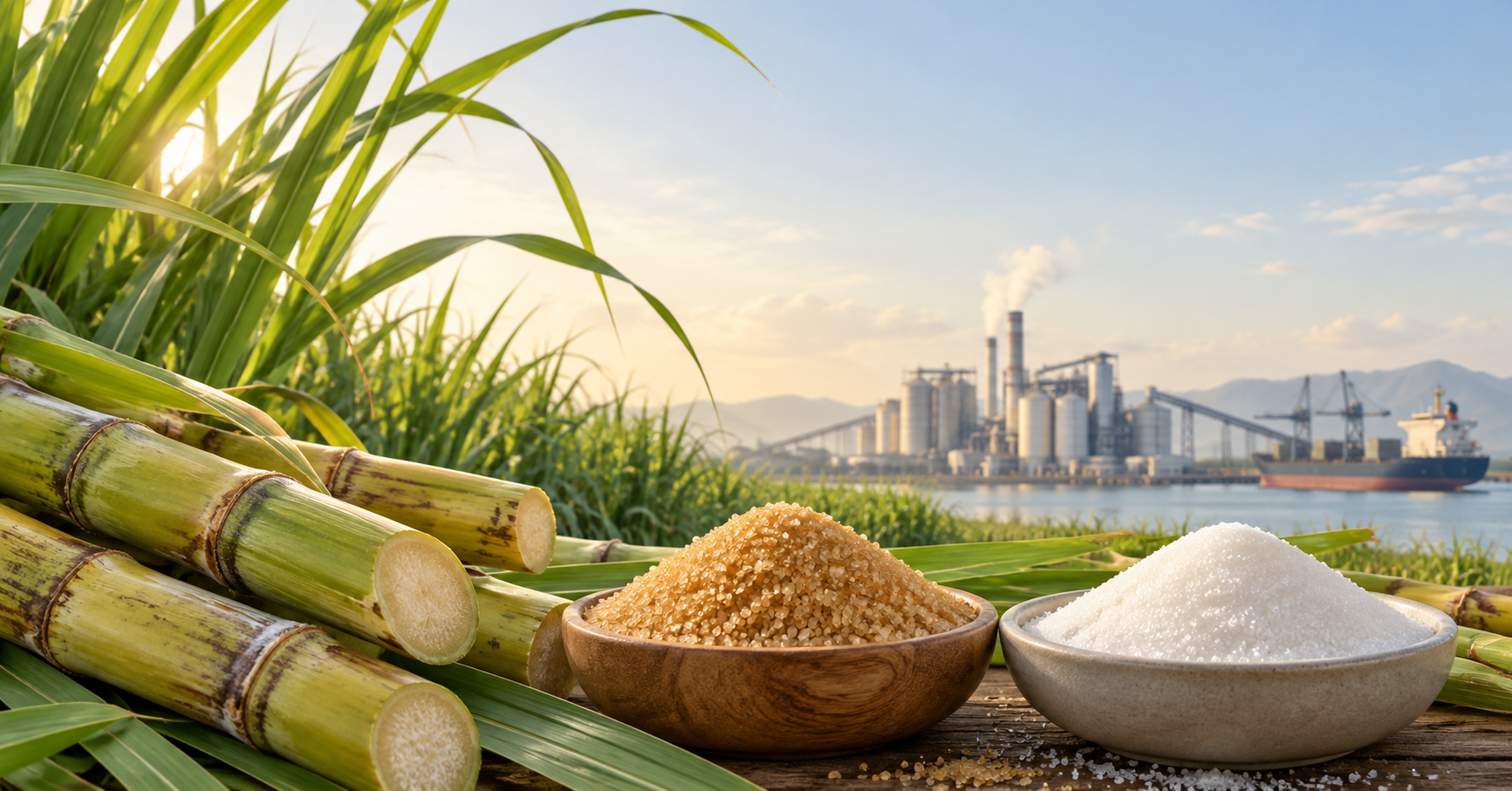
KIF Consultancy provides independent research on raw sugar and white sugar.
The work is demand, supply and trade-flow analysis. It is not a brokerage account and not a discretionary mandate.
Sugar is two markets, not one. Raw cane sugar and refined white sugar do not always move together. The gap between them — the white–raw spread — is often the point.
What is covered
- Raw sugar — the global cane benchmark (ICE New York No. 11)
- White sugar — the refined benchmark (ICE London No. 5)
- The white–raw spread and what it implies for refiners
- Production: Brazil, India, Thailand, EU beet, and other origin crops
- Consumption: food and beverage, industrial users, and destination demand
- Trade flows, export availability, stocks and policy
- Weather, ethanol diversion, freight and currency where they change the balance
Clients do not need to sit in a producing country. The research is written for anyone who needs a clean file on the two markets.
Who the research is for
- Family offices and funds with commodity or agri exposure
- Trading desks that need an independent balance sheet
- Industrial users who buy raw or white sugar
- Allocators who want a second look at the surplus / deficit story
Why raw and white are researched separately
Raw sugar is the bulk export market. White sugar is the refined product that destinations actually consume.
A raw surplus can sit next to a tight white market. That happens when refining capacity is constrained, when a large exporter restricts white shipments, or when destination demand for refined product is stronger than demand for raws.
A single “sugar” headline misses that split. The report does not.
What a sugar report contains
- Balance sheet — production, consumption, stocks, surplus or deficit for raw and for white, stated separately where the data allow.
- Origin notes — Brazil crush and mix, India export policy, Thailand availability, EU beet crop.
- Demand notes — import tenders, destination buying, industrial offtake.
- Spread and policy — white premium, duties, quotas, ethanol vs sugar.
- What would change the view — weather, policy, freight, or a shift in destination demand.
It is a research file. It is not a trade ticket and not position-sizing advice.
What clients receive
- One written sugar memo on the agreed cycle (monthly or as scoped)
- Updates when a crop, policy or trade-flow number changes the balance
- One call to walk through the file. Time zones by agreement
Delivery in English. PDF. Original work. Conflicts disclosed before a name or market is covered.
A sample research report is available on request.
What this is not
Not a brokerage.
Not a futures account.
Not execution.
Not a price target dressed as research.
The job is demand, supply and the difference between raw and white.
How to start
A short email stating whether the need is raw, white, or both.
Then a 20-minute call if the sample is useful.
KIF Consultancy
Independent research.
Dubai. Clients worldwide.
Also covers listed equities in the United States, Europe, China, Japan and South Korea.
Research and information only. Not personalised investment advice unless expressly agreed under the licence and engagement letter. Past analysis is not a guarantee of future results.
Frequently Asked Questions
1. What is the difference between raw sugar and white sugar?
Raw sugar is partially processed cane sugar that normally requires further refining. White sugar is a refined product made from raw cane sugar or sugar beet. They have different production processes, delivery specifications and supply-chain constraints.
2. Which futures contracts are used as global sugar benchmarks?
ICE Sugar No. 11 Futures is the main international benchmark for raw cane sugar. ICE White Sugar Futures, commonly called ICE No. 5 or London No. 5, is widely used as the benchmark for physical white sugar.
3. What does the white–raw sugar spread indicate?
The spread shows the price difference between white and raw sugar after adjusting the prices to comparable units. It can indicate the gross market incentive for refining, but it does not represent a refiner’s final profit after processing, freight, financing and other costs.
4. What factors can change the global sugar balance?
Important factors include crop size, weather, cane yields, refining capacity, ethanol production, government export policies, import demand, inventories, currencies and freight conditions.
5. Does sugar research include buy or sell recommendations?
Not under the proposed research-only scope. The analysis focuses on production, consumption, trade flows, policy and market-balance scenarios. It does not provide trade execution, position-sizing instructions or guaranteed price forecasts.